

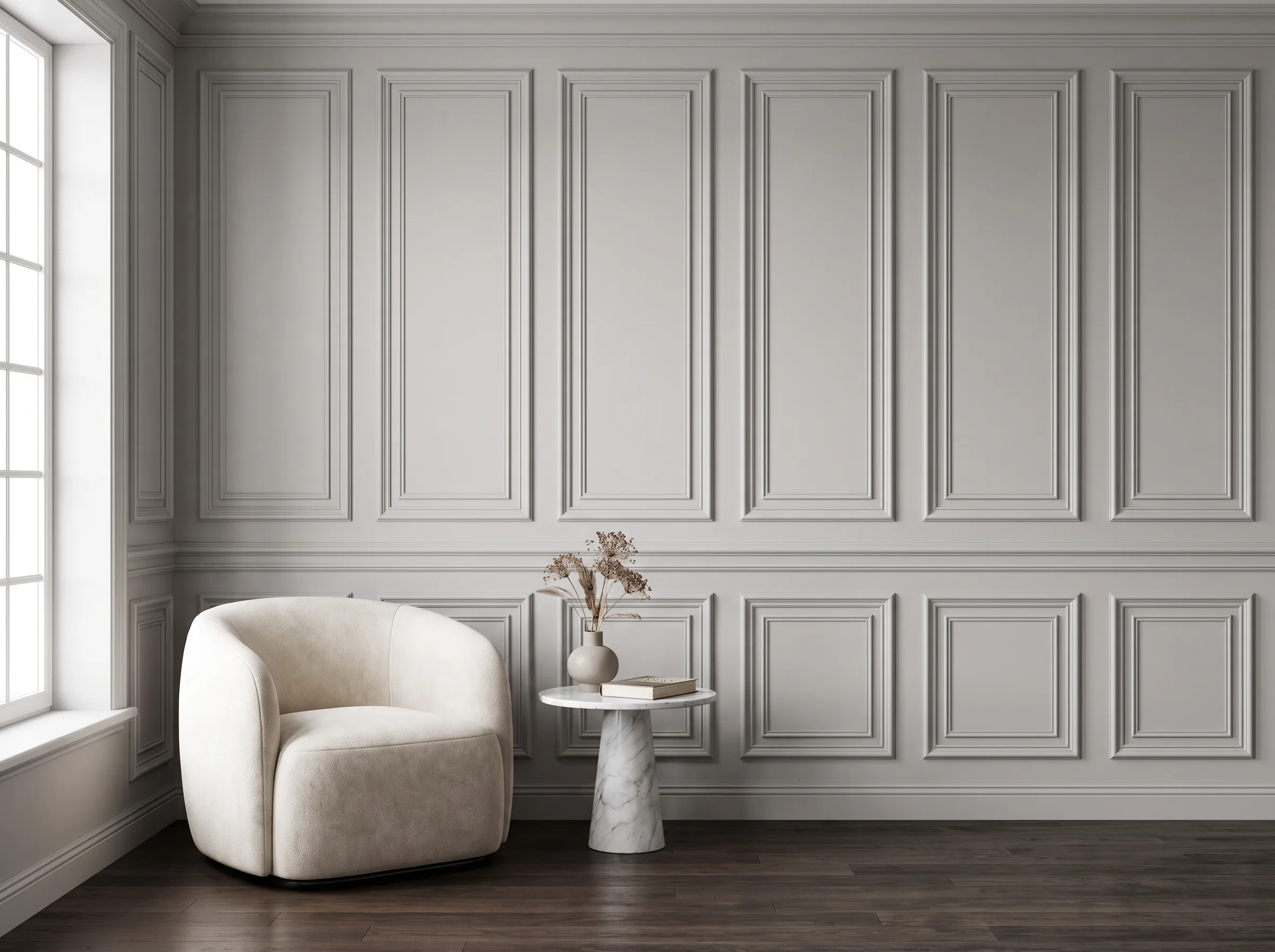
Wall Panelling: Transform Your Interior Design
Wall panelling instantly transforms flat walls into striking focal points, delivering genuine texture, depth, character, and measurable property value increases.
TABLE OF CONTENTS
- Wall Panelling: Transform Your Interior Design
- What Is Wall Panelling and Why Is It Trending Again
- Types of Wall Panelling to Suit Every Interior Style
- Wall Panelling Materials: Which One Is Right for Your Home
- Top Rooms That Benefit Most from Wall Panelling
- Wall Panelling for Period Properties vs. Modern Interiors
- How Wall Panelling Improves Acoustics and Insulation
- Bespoke Wall Panelling: Designing a Truly Custom Finish
- Wall Panelling and Electrical Works: What to Plan Ahead
- How to Combine Wall Panelling with Interior Painting
- Wall Panelling Installation: What the Process Looks Like
- Does Wall Panelling Add Value to Your Property
- Wall Panelling for Commercial Spaces in London
- How to Choose a Professional Wall Panelling Contractor
- Frequently Asked Questions
Wall Panelling: Transform Your Interior Design
Few interior upgrades deliver as immediate and dramatic a result as wall panelling. Whether you're restoring a period property in North London or modernising a contemporary flat, the right panelling transforms a flat, lifeless wall into a striking focal point of texture, depth, and character - almost instantly.
H3: More Than Just Aesthetics
Beyond visual impact, wall panelling offers genuine functional benefits: improved acoustic performance, added insulation, and measurably increased property value. London Building Services, with over a decade of experience across London and up to 40 kilometres north, integrates panelling seamlessly into broader renovation projects - from loft conversions to complete house refurbishments - ensuring every installation is both beautiful and built to last.
H3: Your Vision, Expertly Executed
Every space is different. That's why a truly effective wall panelling solution begins with understanding your specific requirements, your interior's existing character, and the finish that will serve you for years to come.
What Is Wall Panelling and Why Is It Trending Again
Wall panelling is one of those rare design choices that never truly disappeared - it simply waited for the right moment to return. Rooted in centuries of interior craftsmanship, this technique applies structured panels of wood, MDF, or composite materials to walls, adding depth, texture, and architectural character where plain surfaces once fell flat.
A Technique for Every Style
Today's resurgence isn't driven by nostalgia alone. Homeowners and designers are drawn to wall panelling for its versatility across contrasting aesthetics - from Georgian townhouses to minimalist new-builds. It also delivers real practical benefits:
- It improves acoustic insulation, reducing echo in open-plan living spaces.
- It conceals uneven walls, delivering a clean, polished finish.
- It adds thermal insulation, making rooms more comfortable year-round.
Design Meets Craftsmanship
As interiors trend toward texture and tactility, wall panelling sits at the perfect intersection of heritage craftsmanship and contemporary design - a timeless upgrade with lasting value.
Types of Wall Panelling to Suit Every Interior Style
Whether you prefer timeless elegance or bold contemporary lines, there is a style of wall panelling to match your vision - and your room. The breadth of available designs makes it possible to achieve radically different results using the same fundamental technique.
Classic and Traditional Styles
Traditional options remain perennially popular, lending warmth and architectural character to period properties and modern homes alike:
- Shaker panelling adds clean, recessed geometry suited to both classic and transitional interiors.
- Raised-panel designs create a sense of depth and formality, ideal for hallways and dining rooms.
- Tongue-and-groove panelling brings a relaxed, cottage-inspired charm to bedrooms and bathrooms.
Contemporary and Geometric Designs
Modern wall panelling moves beyond convention. Vertical slat panels introduce rhythm and visual height, while geometric configurations - hexagonal, herringbone, or grid-based - offer a striking focal point. These styles suit open-plan spaces and commercial environments equally well, where statement design carries real weight.
Wall Panelling Materials: Which One Is Right for Your Home
Choosing the right material is often the decision that defines the entire project. MDF is the most popular choice for wall panelling - affordable, easy to paint, and capable of holding clean geometric lines. Solid wood brings warmth and longevity but commands a higher price. For budget-conscious projects, plywood offers decent durability with a natural grain finish.
Moisture Resistance Matters Most
PVC wall panelling is the go-to solution for bathrooms and kitchens, where water exposure is constant. It's fully waterproof and low-maintenance - though it lacks the premium feel of timber alternatives. If aesthetics are equally important, MDF with a moisture-resistant finish strikes a strong balance.
Matching Material to Your Budget
Your final choice depends on three factors: location, expected lifespan, and budget. A professional installer can help identify which material best suits your specific space and long-term goals.
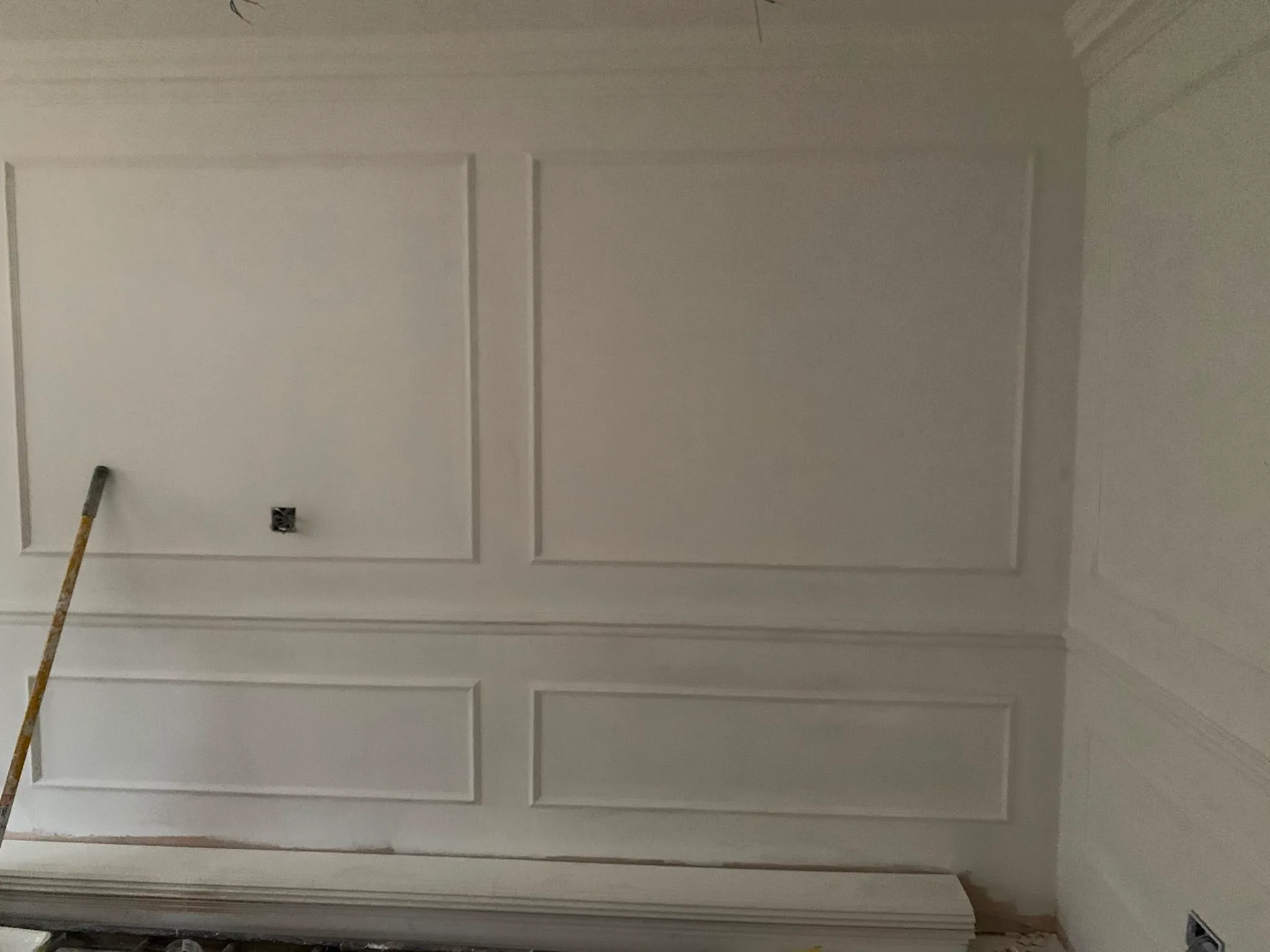
Top Rooms That Benefit Most from Wall Panelling
Not every room responds equally to renovation, but certain spaces gain the most from a well-executed installation. Wall panelling consistently delivers the strongest visual impact in areas where atmosphere, flow, and first impressions matter most to daily living.
Living Rooms and Hallways
These spaces define how guests and residents experience a home from the very first step inside. A panelled feature wall in the living room introduces depth and architectural interest, while a hallway treated with structured panelling transforms a utilitarian corridor into a striking entrance statement.
Bedrooms and Dining Areas
The spaces where wall panelling makes a lasting impression include:
- Bedrooms, where a panelled headboard wall delivers a boutique hotel aesthetic without extensive structural work.
- Dining areas, where layered textures and defined panelling create an intimate, elegant setting suited to both everyday meals and formal occasions.
Wall Panelling for Period Properties vs. Modern Interiors
The design language of wall panelling must align with the architectural DNA of the property. A Victorian terrace and a contemporary open-plan apartment demand fundamentally different approaches - and getting this wrong undermines the entire interior.
Restoring Period Character
For older properties, raised-and-fielded panels, dado rails, and deep skirting profiles are the natural choice. London Building Services sources period-appropriate materials and profiles to ensure the finished result feels authentic rather than cosmetic. Detailing matters enormously here - buyers and occupants alike notice when heritage joinery is handled with genuine care.
Clean Lines for Modern Homes
Contemporary wall panelling favours flat, flush profiles with minimal shadow gaps and concealed fixings. These designs complement open-plan layouts without adding visual noise.
Key differences at a glance:
- Period properties suit paint-grade timber or MDF mouldings that faithfully replicate original joinery profiles.
- Modern interiors work best with slim, frameless panels in neutral palettes paired with integrated lighting.
- Both styles deliver meaningful improvements in insulation and acoustic comfort as a practical bonus.
How Wall Panelling Improves Acoustics and Insulation
Most homeowners focus on the visual impact, yet wall panelling delivers measurable functional gains that matter just as much. When installed with appropriate materials and deliberate air gaps, panels create an additional barrier that works hard behind the scenes.
Reducing Noise Between Rooms
Timber and MDF panels absorb and scatter sound waves rather than reflecting them, noticeably reducing noise transmission between living spaces. This proves particularly valuable in period London properties, where thin partition walls offer little natural acoustic protection.
Thermal Performance Benefits
Wall panelling also acts as a supplementary insulation layer, reducing heat loss through exterior and party walls. The practical advantages include:
- Reduced energy bills by minimising cold bridging along external walls.
- Dampened echo and reverberation in large, hard-surfaced rooms.
- Improved comfort in rooms that previously felt cold or draughty.
For London homes exposed to urban noise and unpredictable weather, this dual benefit makes panelling a genuinely smart long-term investment.
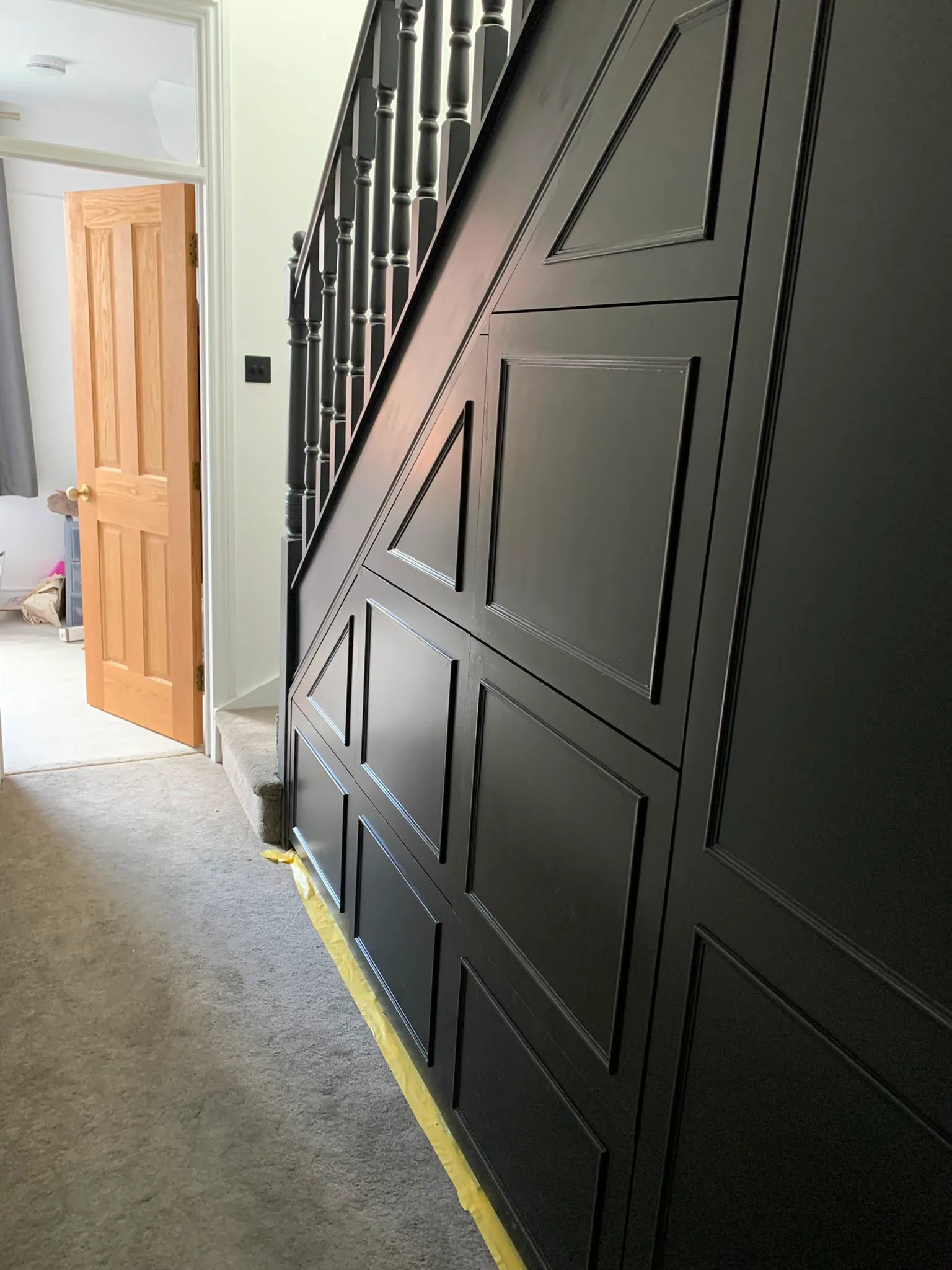
Bespoke Wall Panelling: Designing a Truly Custom Finish
Off-the-shelf solutions rarely honour the character of a room. Bespoke wall panelling begins with a detailed survey of your space - every alcove, ceiling height, and architectural quirk is measured precisely so the finished result sits perfectly within your interior.
From Brief to Blueprint
At London Building Services, the design process translates your preferences - proportions, panel depth, profile style, and finish - into technical drawings before a single board is cut. This stage prevents costly revisions and ensures the wall panelling aligns seamlessly with existing features such as cornices, skirting boards, or fitted joinery.
Coordinated Trades, Flawless Result
Bespoke projects often require electrical or decorating work to be integrated behind or around the panels. With over a decade of experience coordinating multiple trades under one roof, London Building Services delivers a coherent finish - no gaps, no afterthoughts, just precision craftsmanship from start to completion.
Wall Panelling and Electrical Works: What to Plan Ahead
Electrical planning is one of the most overlooked steps before any wall panelling project begins. Panels can conceal sockets, switches, and cabling entirely - which is either a design opportunity or a serious problem, depending on your preparation.
Talk to Your Electrician First
Before wall panelling goes up, an electrician must assess the existing layout and identify what needs repositioning or protecting. Skipping this step risks costly rework or, worse, unsafe installations hidden behind finished surfaces.
Key things to confirm before installation:
- Map all existing sockets and light switches on the planned panelling wall.
- Decide whether cables will be rerouted or run through conduit behind the panels.
- Ensure any concealed wiring meets Part P building regulations.
Integrate, Don't Improvise
Good wall panelling design accommodates electrical elements seamlessly - flush sockets, hidden conduits, and neatly framed switches all require forethought. At London Building Services, carpenters and electricians coordinate from the outset, so nothing gets buried by accident and the finish remains both safe and polished.
How to Combine Wall Panelling with Interior Painting
Paint transforms wall panelling from a structural feature into a visual statement. The key lies in understanding how light interacts with raised mouldings and recessed panels - bold contrasts sharpen shadow lines, while tonal combinations create subtle, sophisticated depth.
Colours That Work Best
When selecting paint for wall panelling, using a slightly darker shade on recessed areas and a lighter tone on raised profiles amplifies the three-dimensional effect dramatically. At London Building Services, interior painting and panelling installations are coordinated as a single seamless process, ensuring colours and finishes are chosen before a single panel goes up.
Finishes and Application Tips
- Choose satin or semi-gloss for panel frames to highlight texture and simplify cleaning.
- Apply eggshell on flat recessed sections to reduce glare and introduce warmth.
- Consider a contrasting wall colour above the panelling to define zones and draw the eye upward.

Wall Panelling Installation: What the Process Looks Like
A professional wall panelling installation follows a clearly defined sequence, and cutting corners at any stage shows in the final result. The process starts well before the first panel arrives on site - walls are assessed for moisture, levelled where necessary, and stripped of any loose or unstable material.
Building the Right Foundation
The battening framework is fixed next, creating a true and stable base for the panels. Precision here is non-negotiable: a millimetre of misalignment now means a visible fault later. Where electrical outlets or cabling run behind the wall, this phase requires careful coordination with other trades - something a full-service contractor handles as a matter of course.
Fitting, Finishing, and Final Checks
The final phase of wall panelling brings the design to life:
- Panels are measured, cut, and fixed in sequence starting from the room's most prominent wall.
- Joints, gaps, and fixings are filled and sanded down to a smooth, seamless surface.
- Decorative trims and mouldings are applied before priming and painting complete the look.
Does Wall Panelling Add Value to Your Property
A well-executed interior finish can make a measurable difference when buyers walk through your front door. Professionally installed wall panelling sends an immediate signal of quality - it demonstrates that the property has been maintained and upgraded with care. Buyers and valuers alike recognise the craftsmanship involved, and that perception translates directly into asking price confidence.
First Impressions Drive Offers
Properties featuring bespoke wall panelling consistently attract stronger interest in competitive markets like London and the surrounding South East. The detailing, precision, and material quality communicate a level of investment that generic painted walls simply cannot match.
Long-Term Return on Investment
Beyond aesthetics, wall panelling contributes to insulation and acoustic performance - practical benefits that add measurable, lasting value. When integrated into a broader renovation, such as a loft conversion or kitchen refurbishment, it elevates the entire project's perceived quality and market appeal.
Wall Panelling for Commercial Spaces in London
Commercial interiors face a unique challenge: they must communicate brand identity the moment a customer steps through the door. Wall panelling delivers that impact instantly - shaping atmosphere, guiding perception, and setting a business apart from its competitors.
From Offices to Hotel Lobbies
Whether it is a boutique hotel reception, a high-end restaurant, or a corporate office in central London, wall panelling transforms blank surfaces into deliberate design statements. Textured panels add warmth to dining spaces, while clean geometric configurations lend authority to boardrooms and retail showrooms alike.
Durability Meets Visual Identity
In commercial environments, materials must withstand heavy footfall and frequent contact. London Building Services - with over a decade of experience across London and beyond - selects finishes that balance visual appeal with long-term resilience, ensuring the installation continues to represent your brand effectively for years to come.
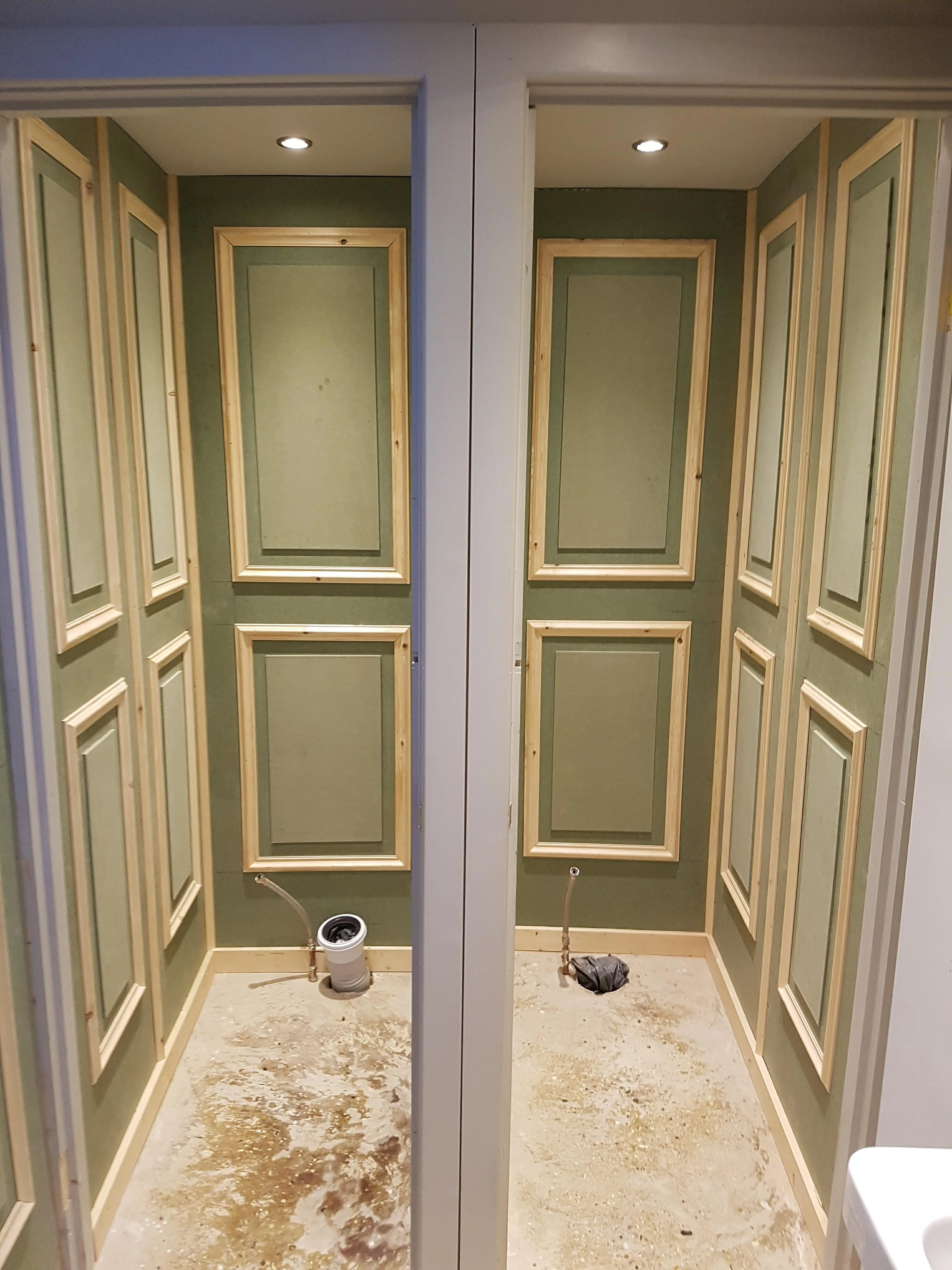
How to Choose a Professional Wall Panelling Contractor
Choosing the right contractor makes the difference between a flawless result and a costly disappointment. Start by reviewing their portfolio - a skilled specialist will showcase diverse wall panelling projects across different interior styles, from period property restorations to contemporary modernisations. Ask specifically about material knowledge: solid wood, MDF, and shiplap all behave differently, and your contractor must understand which suits your space, humidity levels, and budget.
Check Project Management Capability
Wall panelling rarely exists in isolation. It typically requires coordination with electricians, painters, and other trades. A contractor with strong project management capability - such as London Building Services, serving London and surrounding areas for over a decade - ensures seamless integration with your wider renovation without unnecessary delays.
Prioritise Transparent Communication
Request a detailed quote and clear timeline upfront. A reliable professional will explain material choices, installation methods, and potential challenges honestly. If straightforward questions are met with vague answers, treat that as a red flag and look elsewhere.
Frequently Asked Questions
What are the main benefits of installing wall paneling in a home?
Wall paneling offers both aesthetic and practical advantages. Visually, it transforms flat walls into striking focal points with texture and depth. Functionally, it improves acoustic performance by reducing echo in open-plan spaces, provides additional thermal insulation for year-round comfort, helps conceal uneven walls for a polished finish, and increases property value. These combined benefits make wall paneling an upgrade that delivers immediate impact while providing lasting value.
What styles of wall paneling are available?
Wall paneling accommodates various design preferences across different interior styles. Traditional options include Shaker paneling with clean recessed geometry, raised-panel designs that create formality and depth ideal for hallways and dining rooms, and tongue-and-groove paneling that adds cottage-inspired charm to bedrooms and bathrooms. Contemporary designs feature geometric patterns and vertical slat arrangements that move beyond conventional looks. This versatility allows you to achieve radically different results - from Georgian townhouses to minimalist new-builds - using the same fundamental technique.
What materials are commonly used for wall paneling?
Wall paneling can be constructed from several materials, including wood, medium-density fiberboard (MDF), and composite materials. The choice of material allows for different aesthetic outcomes and finishes while maintaining the functional benefits of the installation. Each material option provides durability and can be selected to suit your specific design vision, interior character, and long-term requirements.